What to wear on a winter hike
Winter days on the hills are short, cold and often stunning. With the right layers you’ll stay warm and dry and get to enjoy every minute. Get it wrong and you’ll be cold within a few minutes of stopping.
Sunshine to white-out, and back again
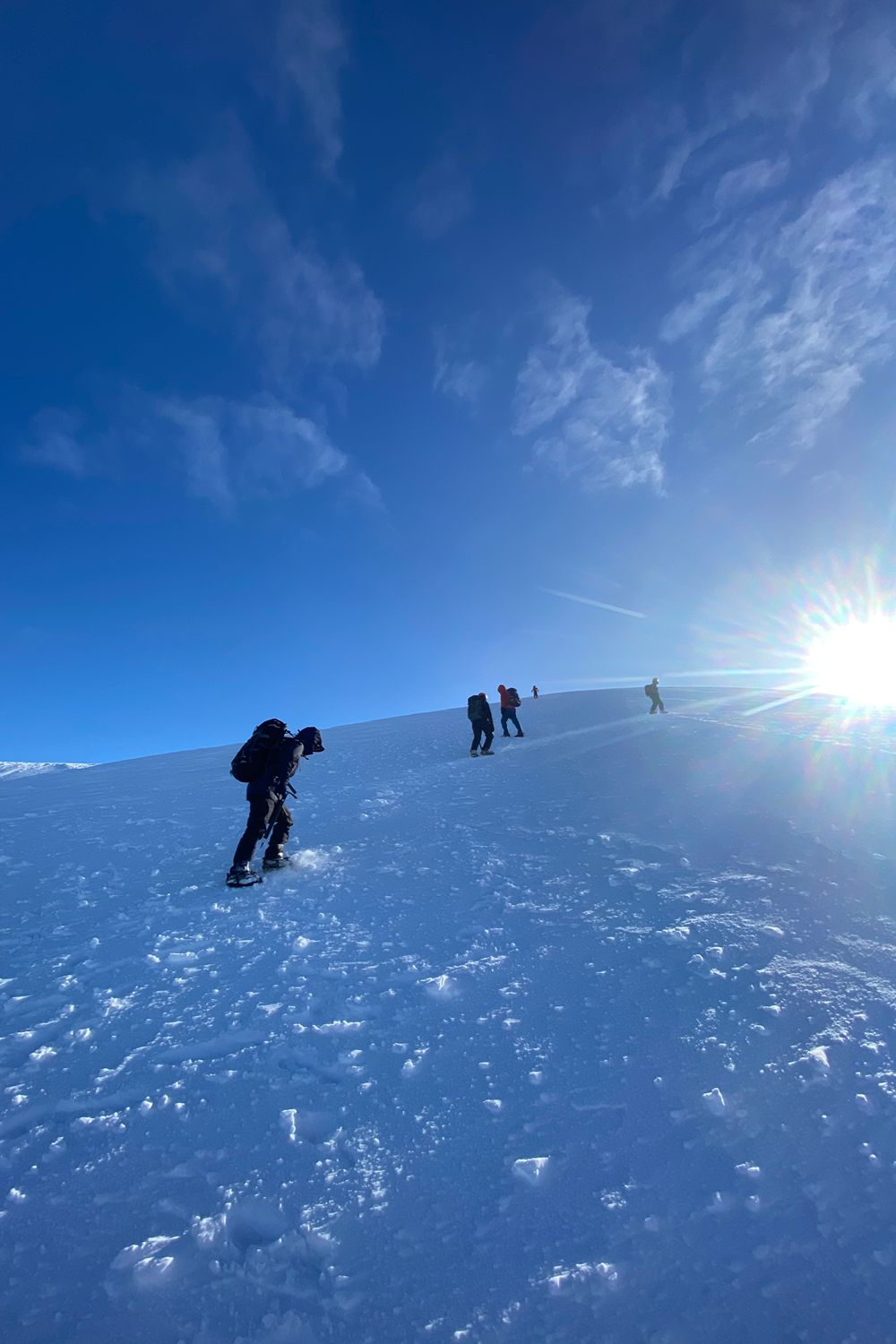
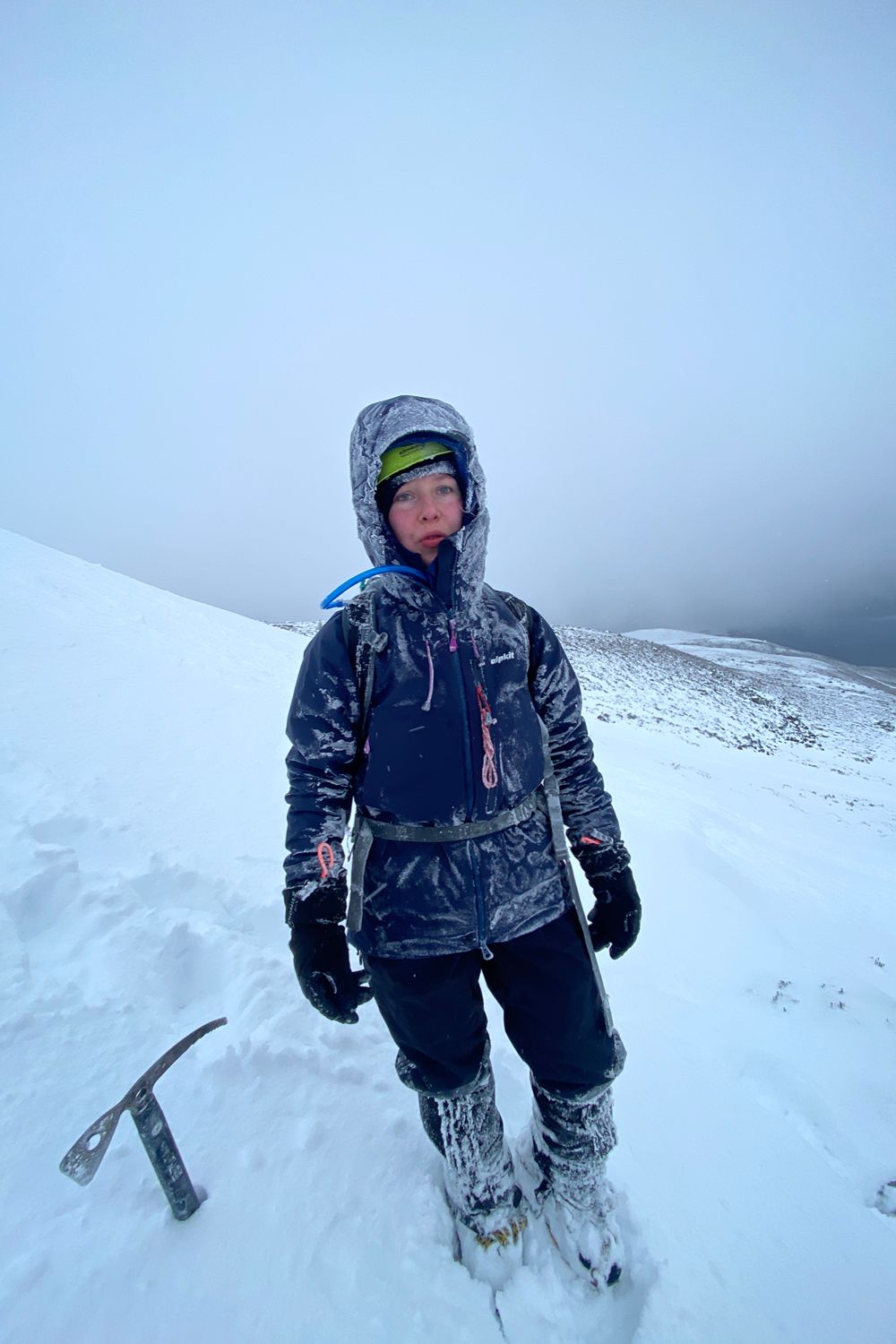
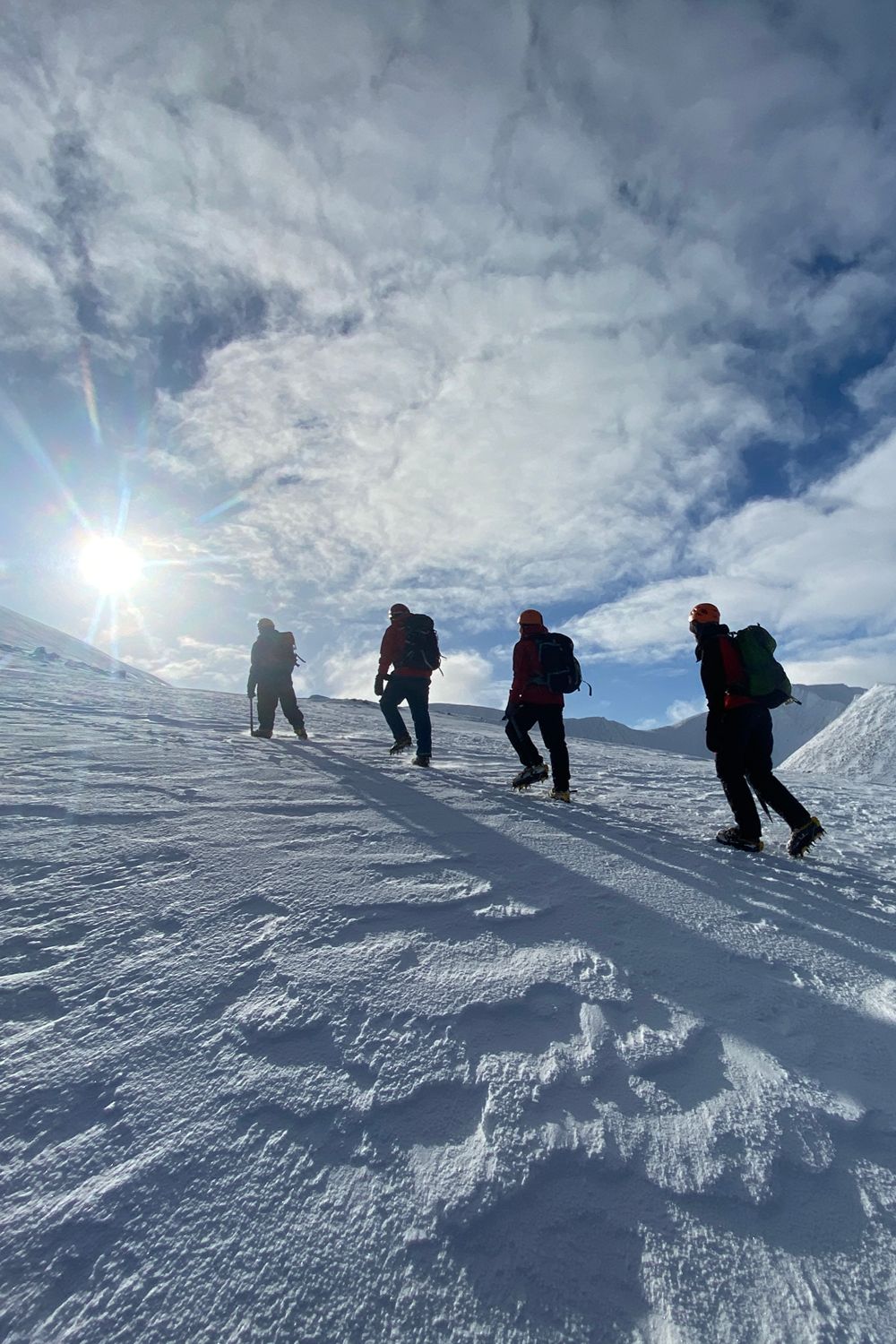
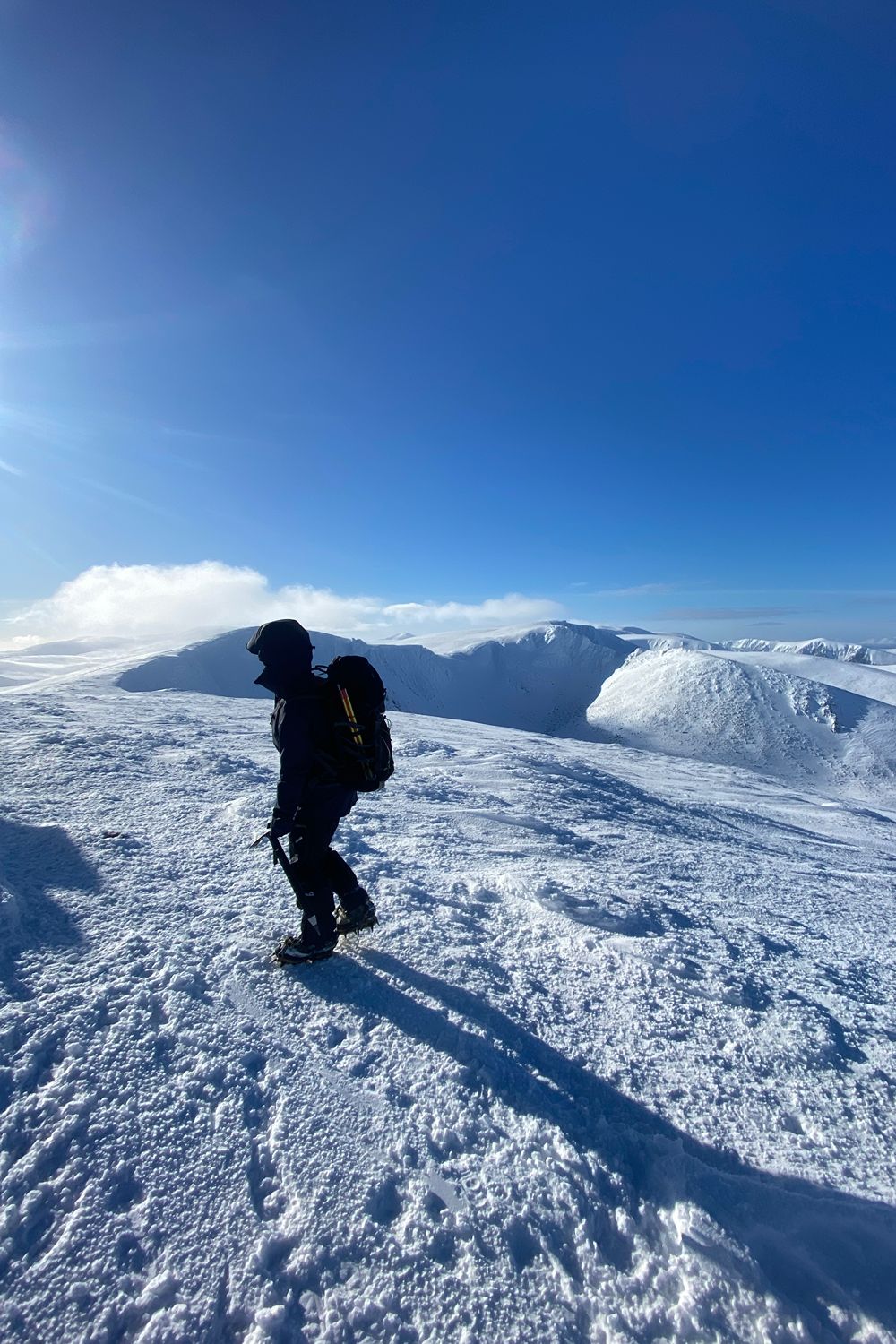
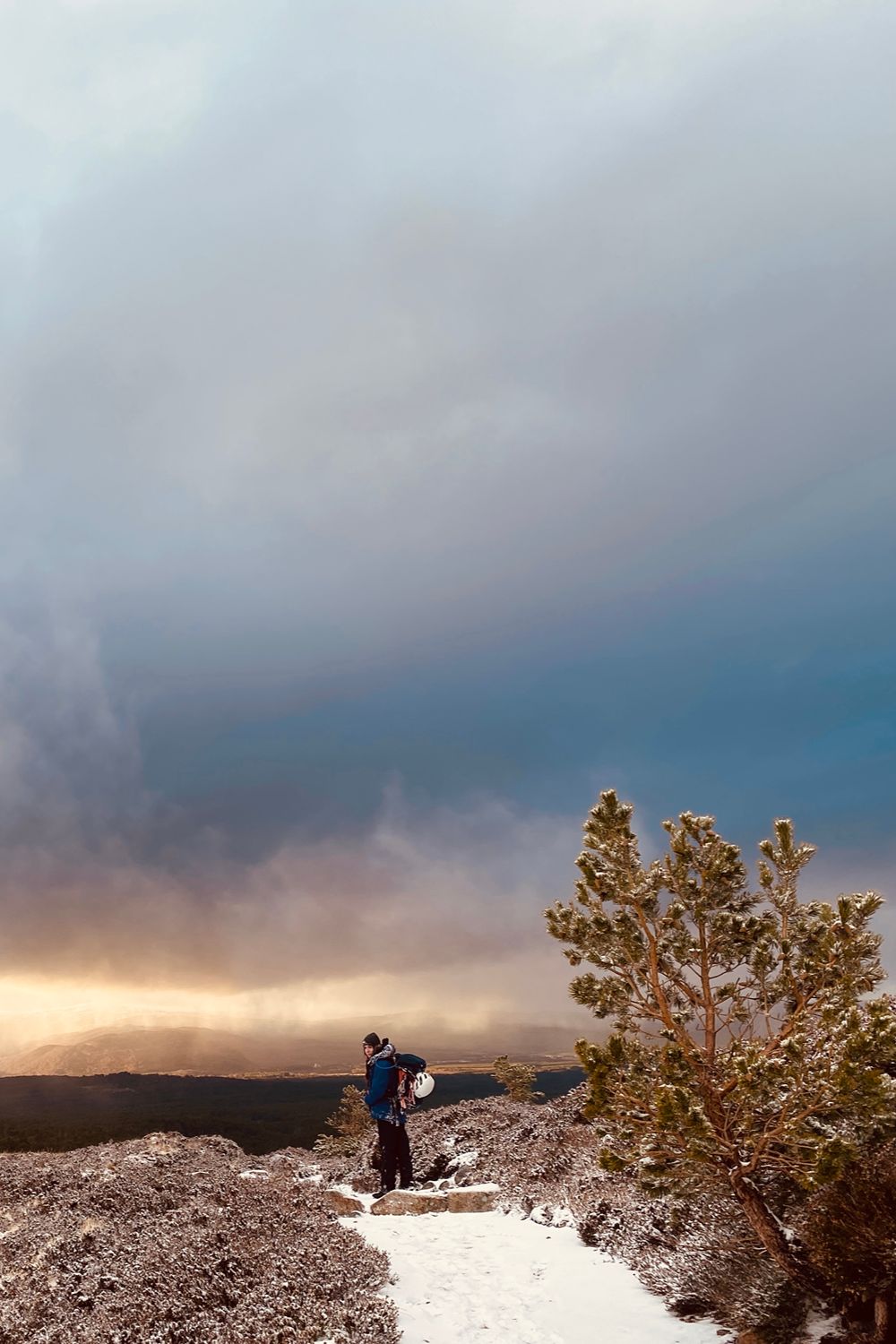
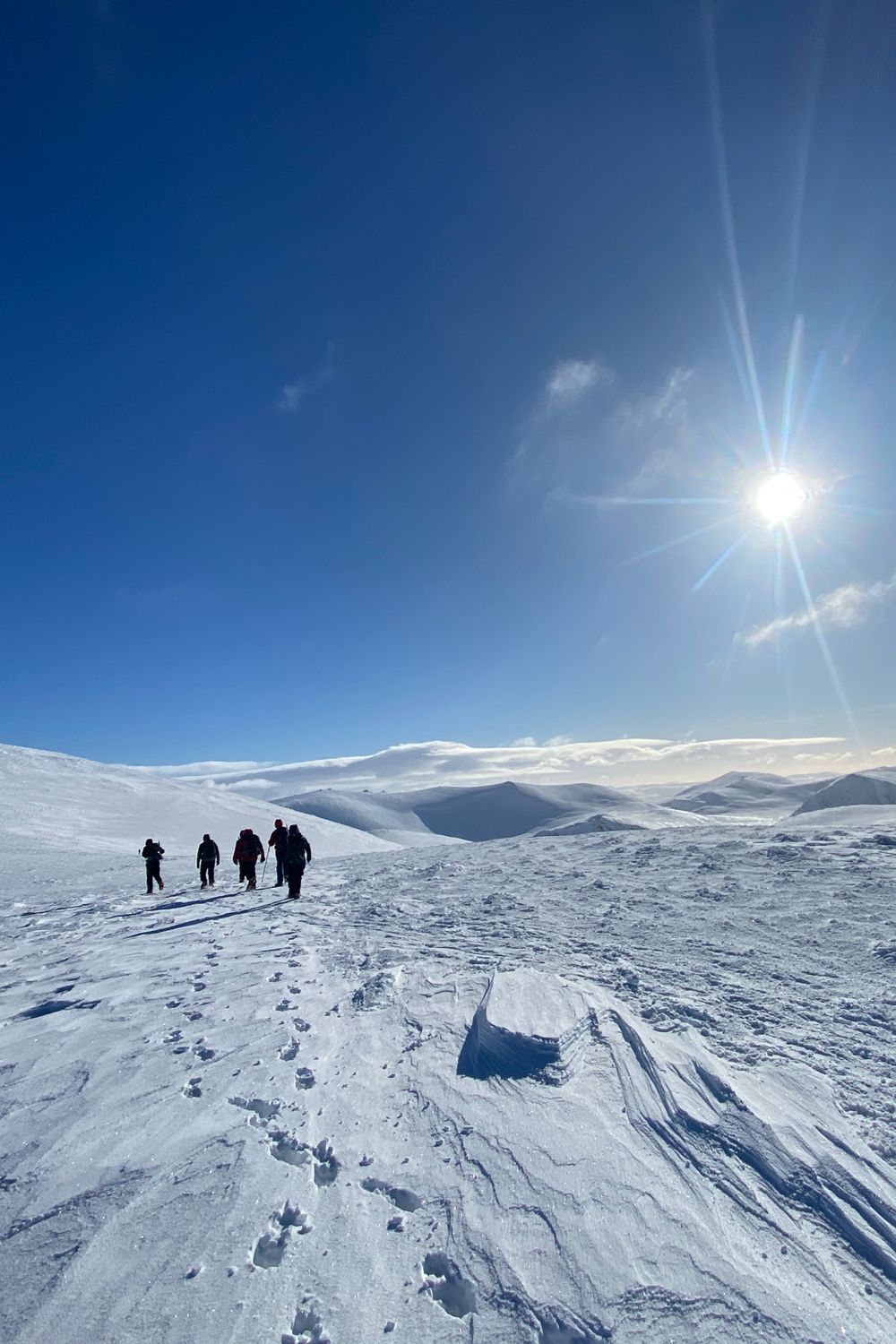
Winter in the mountains changes fast. You can set off in still, warm sunshine under a blue sky, and an hour later be walking into a cold, windy white-out where you can barely see the person in front of you. The next day it might be the other way round.
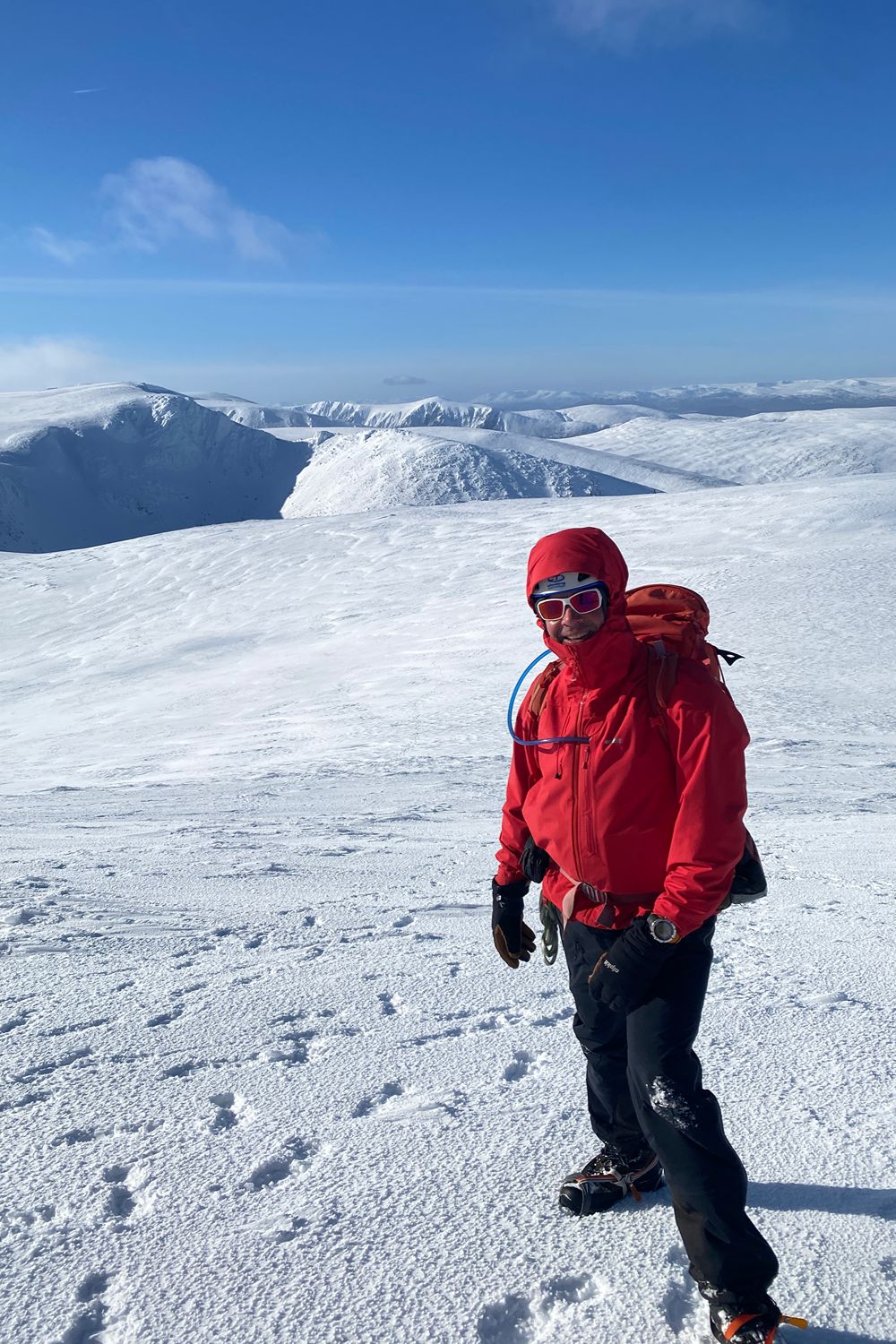
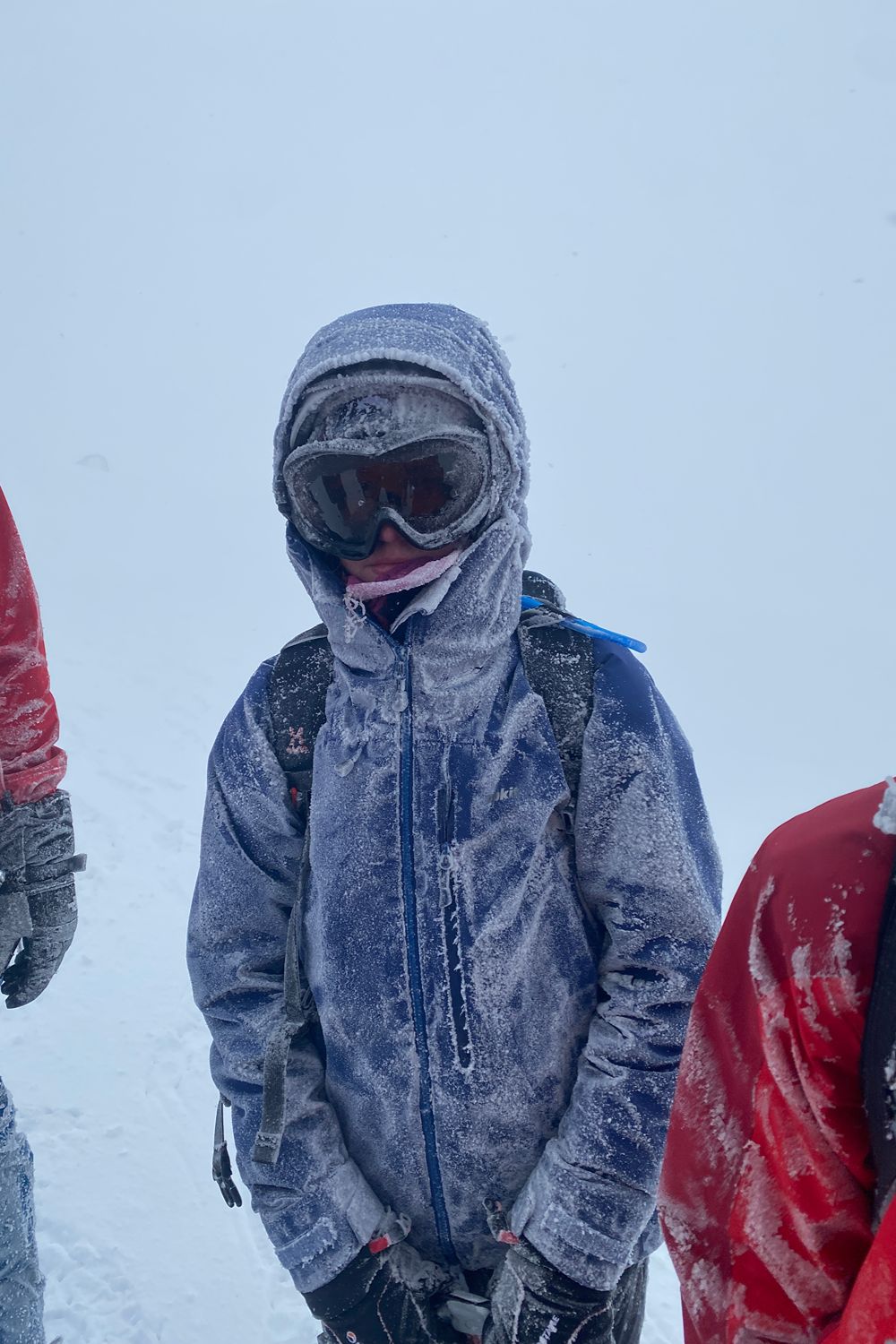
Your clothing needs to change with it. Think flexible, fluid and layered. Rather than one big, heavy coat, wear several thinner layers you can add, take off and swap as you go. On a sunny climb you might be down to your base layer with your sleeves pushed up. When the weather comes in, on go the insulated jacket, the waterproof, the hat, the goggles and the big gloves.
Little and often is the rule. Take a layer off before you start to sweat, and put one on before you start to feel cold. Keep the things you’ll need quickly near the top of your pack, so a change takes a minute rather than ten.
Layer up
Base layer
A long-sleeved base layer in merino wool or a synthetic fabric, with thermal leggings underneath your trousers on colder days. As in summer, no cotton.
Mid layer
A warm fleece or soft shell. This is your main walking layer when it’s cold and dry.
Insulated jacket
A warm synthetic or down jacket that lives in your pack and goes on every time we stop. Put it on before you start to feel cold, not after.
Waterproof jacket
A proper mountain waterproof with a good hood that fits over a hat. In winter this needs to cope with driving rain, sleet and strong wind.
Head, hands and neck
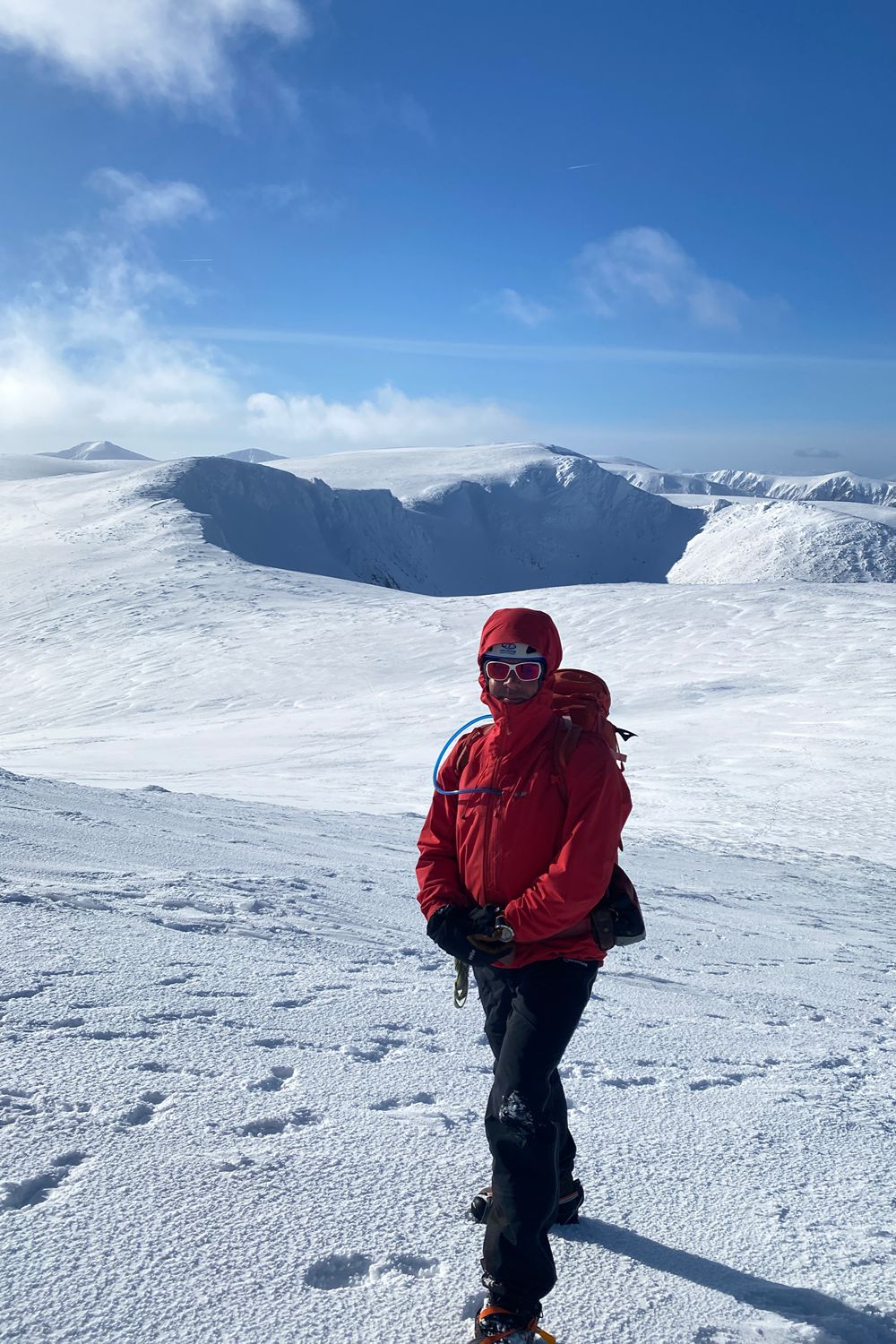
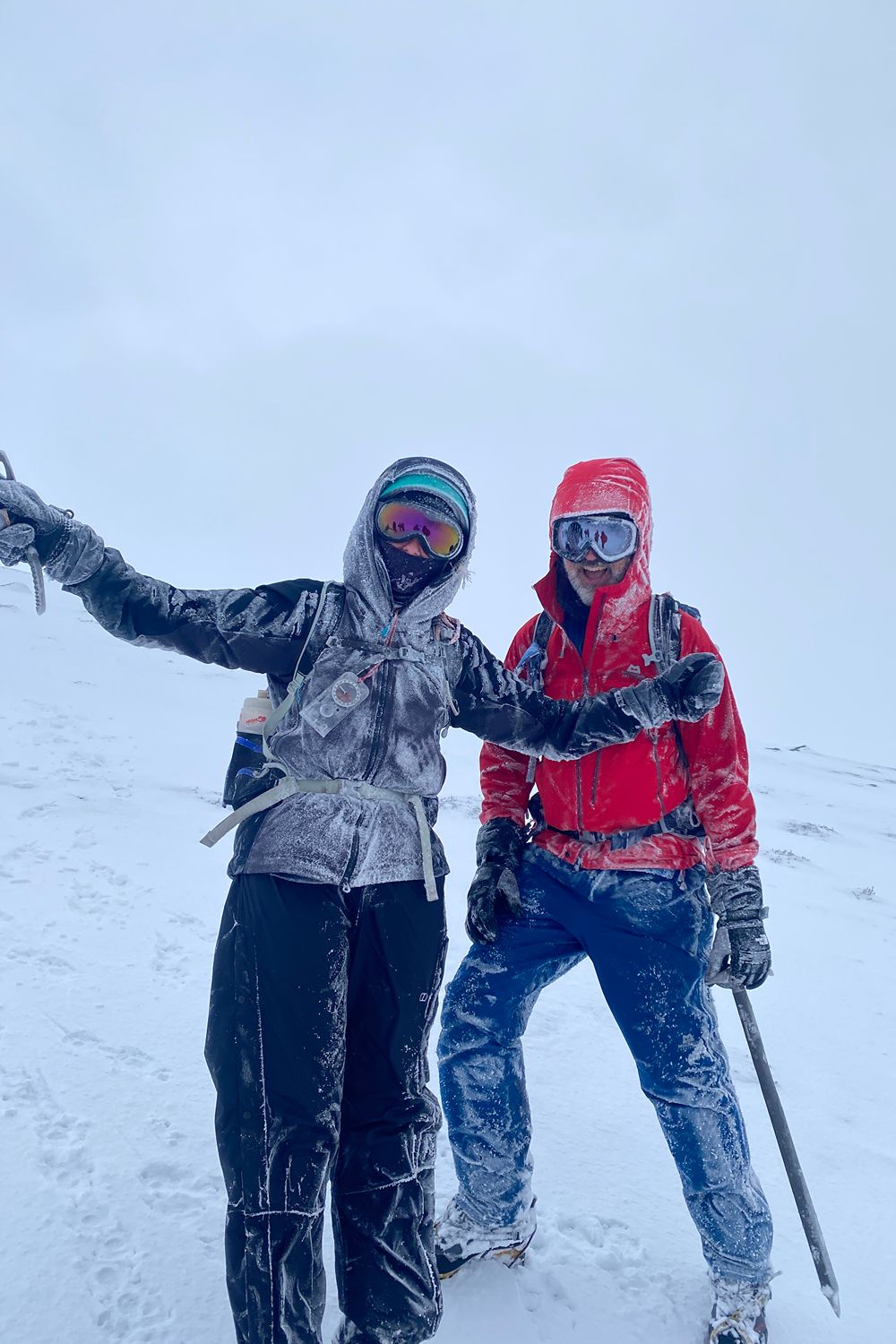
Your hands and head lose heat quickly, so this is where most people go wrong. Bring a warm hat, a neck tube (buff) and at least two pairs of gloves: a thin pair for when you’re moving and a warm waterproof pair for when it’s wild. Gloves get wet, so a spare pair is never wasted. Mitts are warmer still on very cold days. On high, windy days, ski goggles make a huge difference.
Legs and feet
Legwear
Winter walking trousers or soft shell trousers, with waterproof overtrousers in your pack. Overtrousers with long side zips can go on over your boots without taking them off.
Socks and boots
Thick walking socks and warm, waterproof boots with a stiff sole. If there’s any chance of snow and ice, check your boots will take crampons (we can advise). Gaiters keep snow out of the tops of your boots.
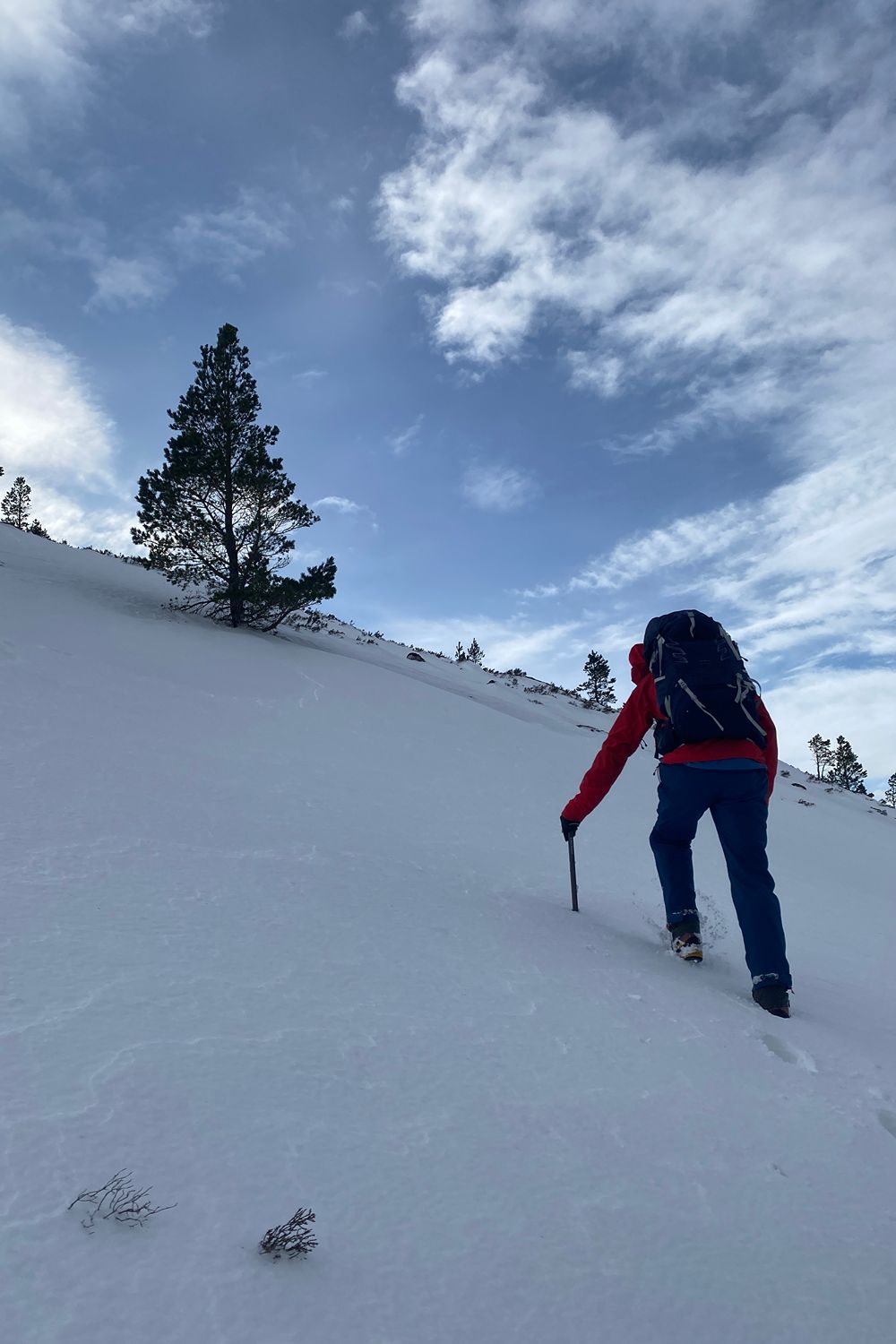
In December the light starts to go by around 4pm. Always carry a head torch with spare batteries, even if we plan to be down well before dark.
Out on the hill
Your kit list
To wear
- Long-sleeved base layer (and thermal leggings if cold)
- Fleece or soft shell
- Winter walking trousers
- Thick walking socks
- Warm waterproof boots with a stiff sole
- Warm hat, buff and thin gloves
In your pack
- Insulated jacket
- Waterproof jacket and overtrousers
- Warm waterproof gloves, plus a spare pair
- Spare hat
- Ski goggles
- Head torch and spare batteries
- Gaiters
- Flask of hot drink, food and snacks
- At least 1.5 litres of water
More kit guides
Heading out in different conditions? We’ve got you covered.
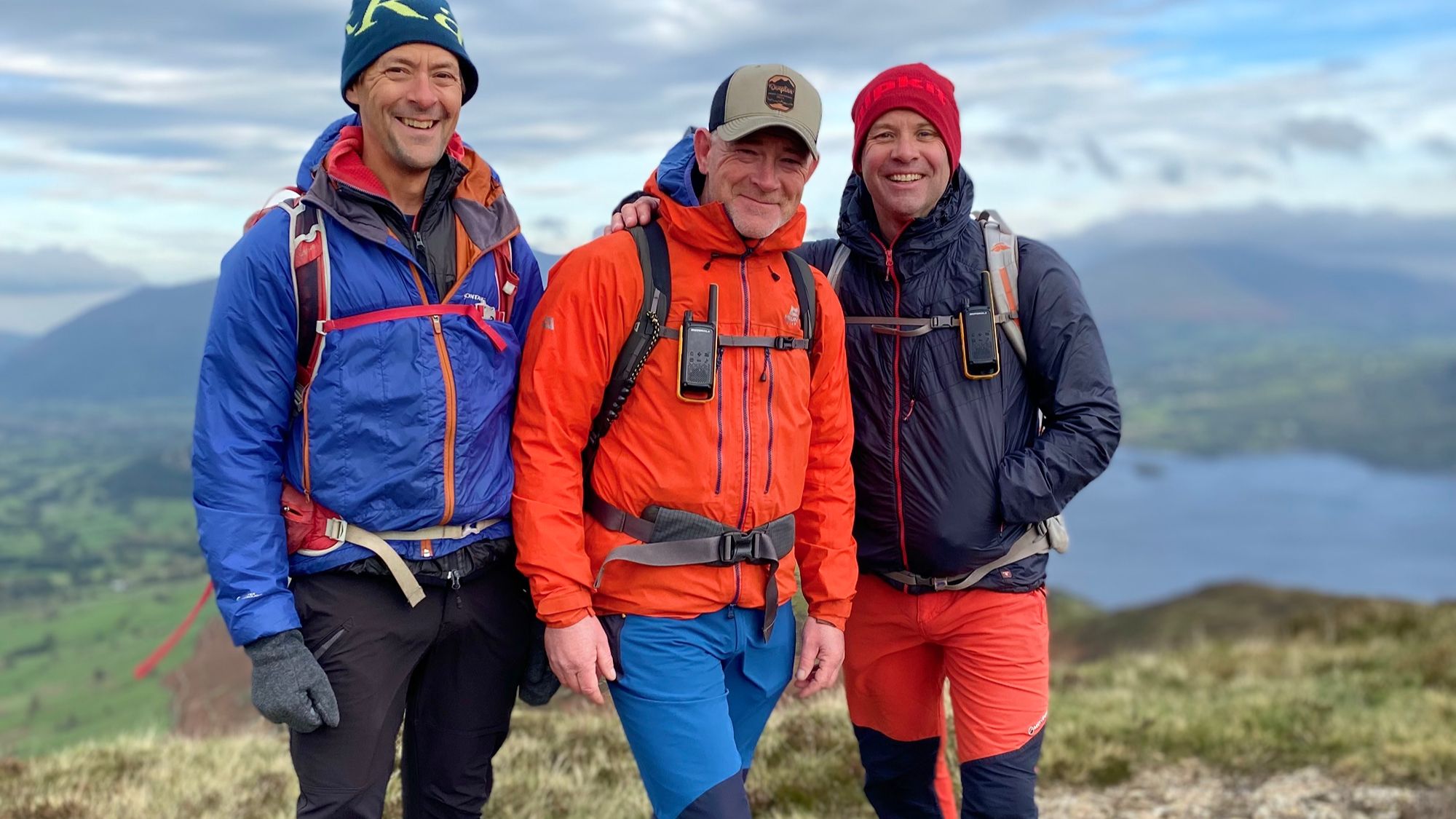
Summer hike
Sun one minute, wind and rain the next. How to layer up, what to wear on your feet, and sun and midge protection.
Winter skills course
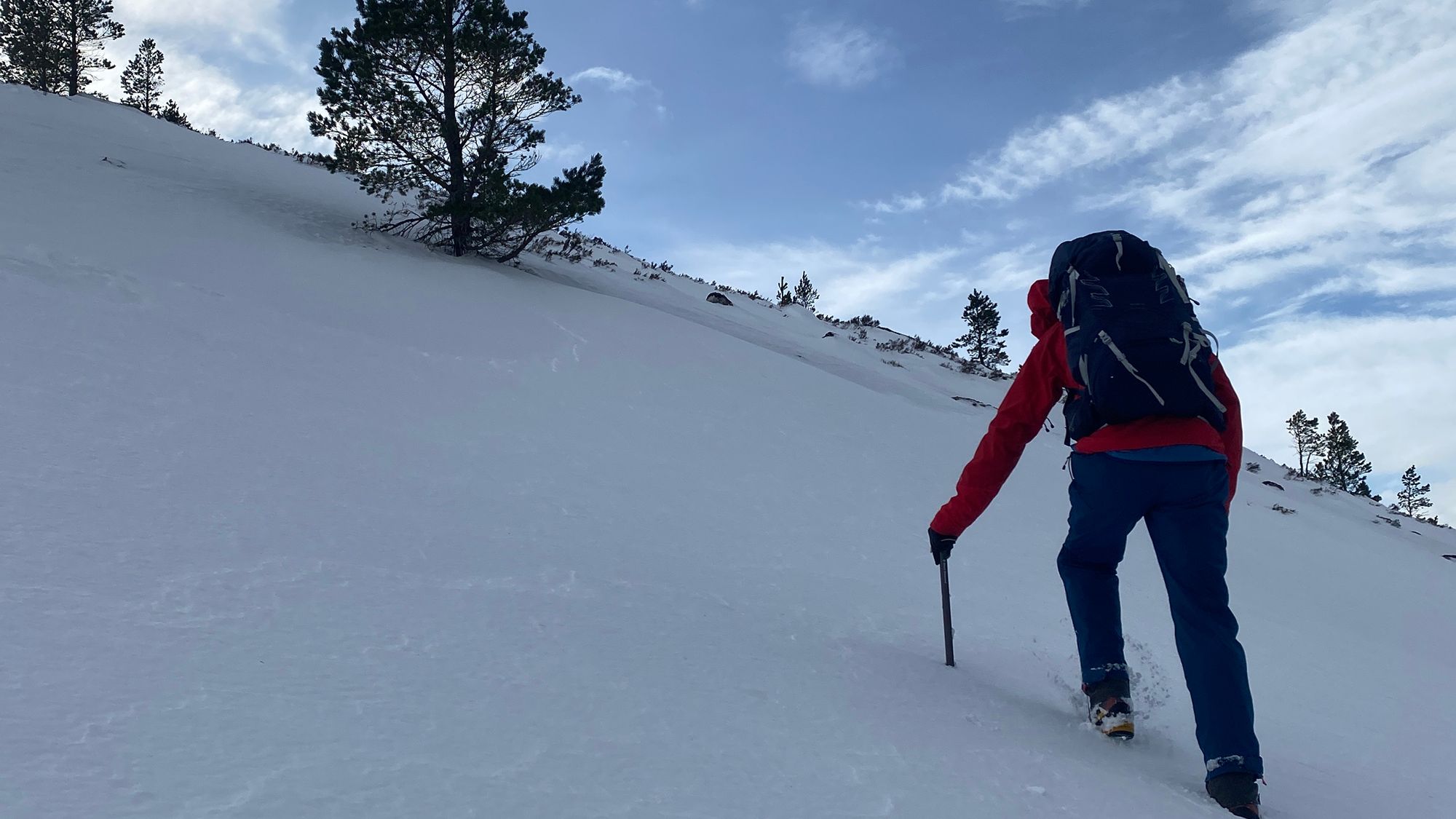
Lots of standing still on a snowy slope. How to stay warm between sessions, the big warm jacket and how many gloves to bring.
Any questions?
Take a look at our frequently asked questions or our Get In Gear page, or call us on 07881 467777.