What to wear on a winter skills course
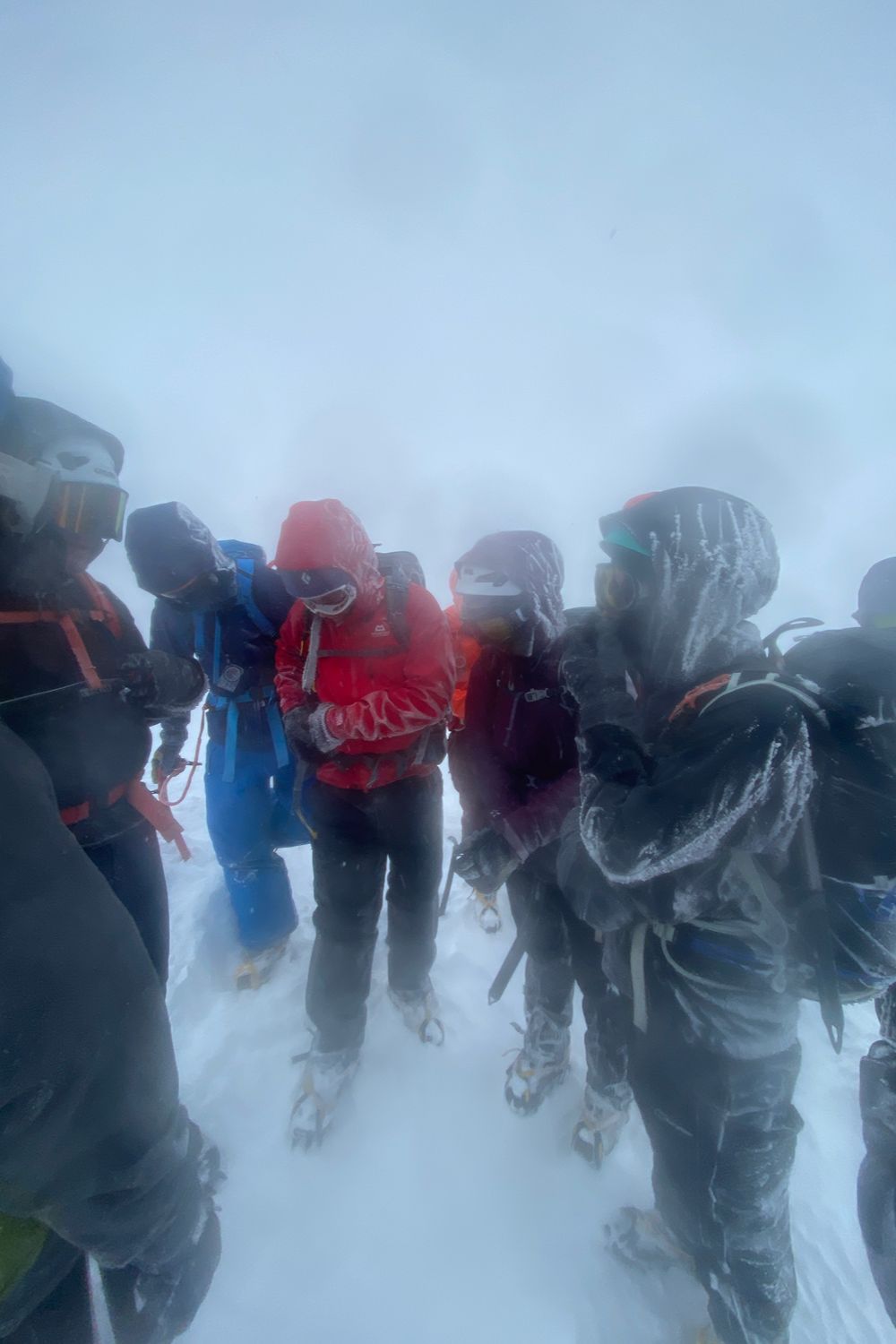
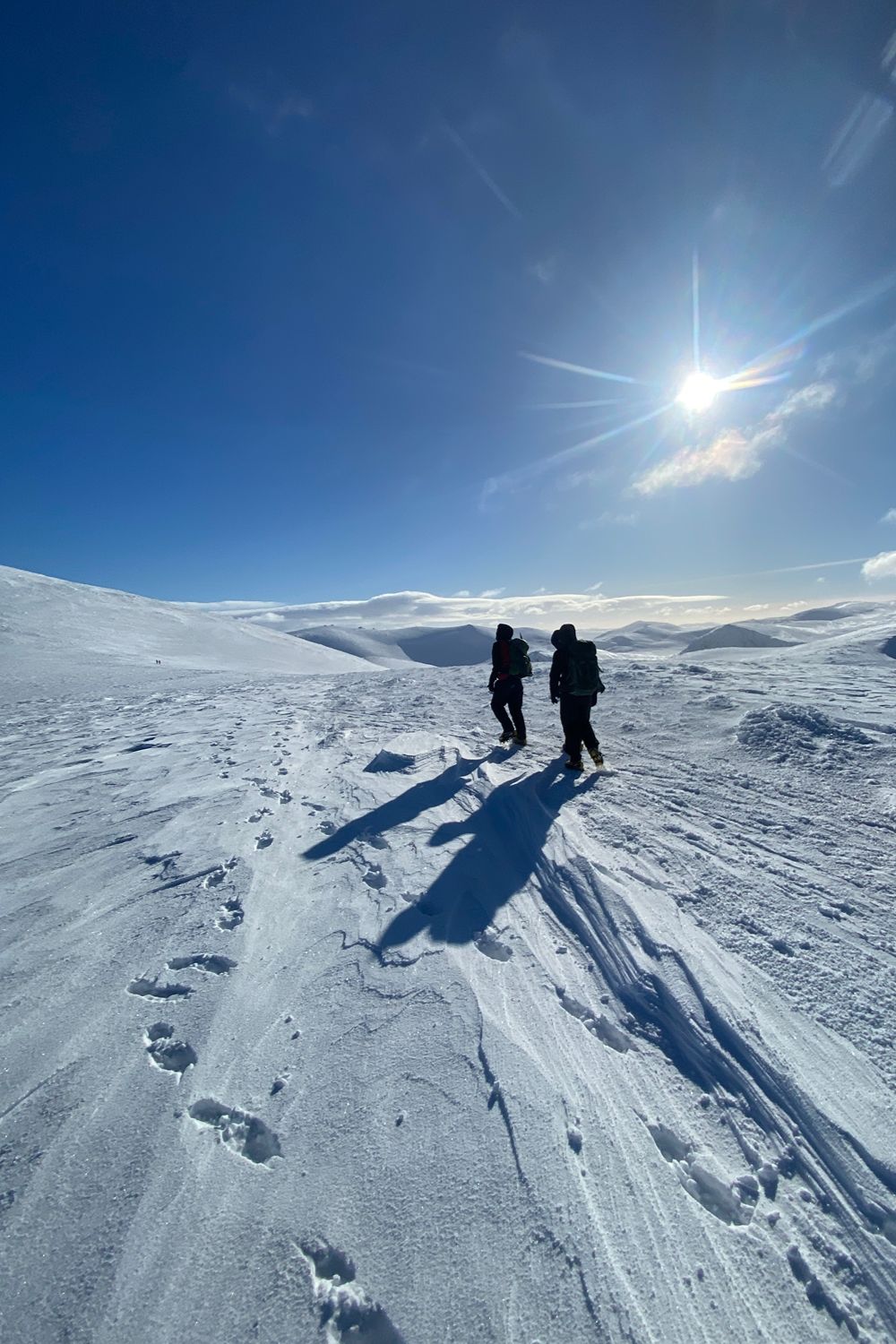
A winter skills course isn’t like a hill day. We walk in to a good snow slope, then spend much of the day there practising: kicking steps, ice axe arrests, moving in crampons. While we’re teaching and demonstrating, you’ll be standing still. Standing still on a snowy slope in a cold wind is cold, so dress for the stops, not just the walk.
Why it’s different
On the walk in you’ll warm up and probably sweat. Then you stop. Damp layers plus wind plus snow is the quickest way to get cold. The trick is to start the walk in slightly cool, open your zips as you warm up, and put your warm jacket on the moment we stop, before you feel the chill.
The big warm jacket
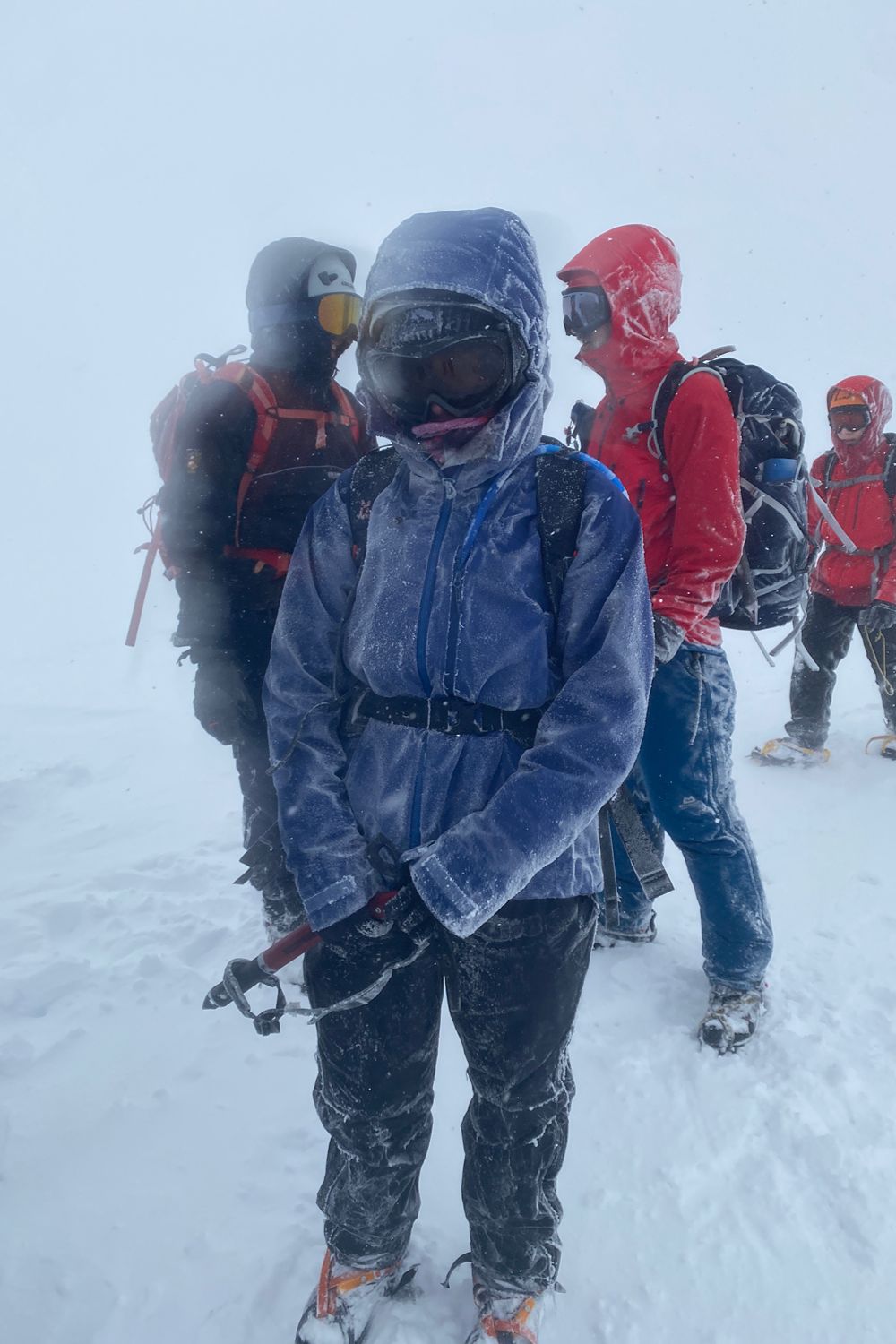
This is the most important item you’ll bring. A thick insulated jacket, big enough to go over everything else including your waterproof. Synthetic fill copes best with damp; down is warmer for its weight but needs a water-resistant outer. On and off all day, so keep it at the top of your pack.
Layers underneath
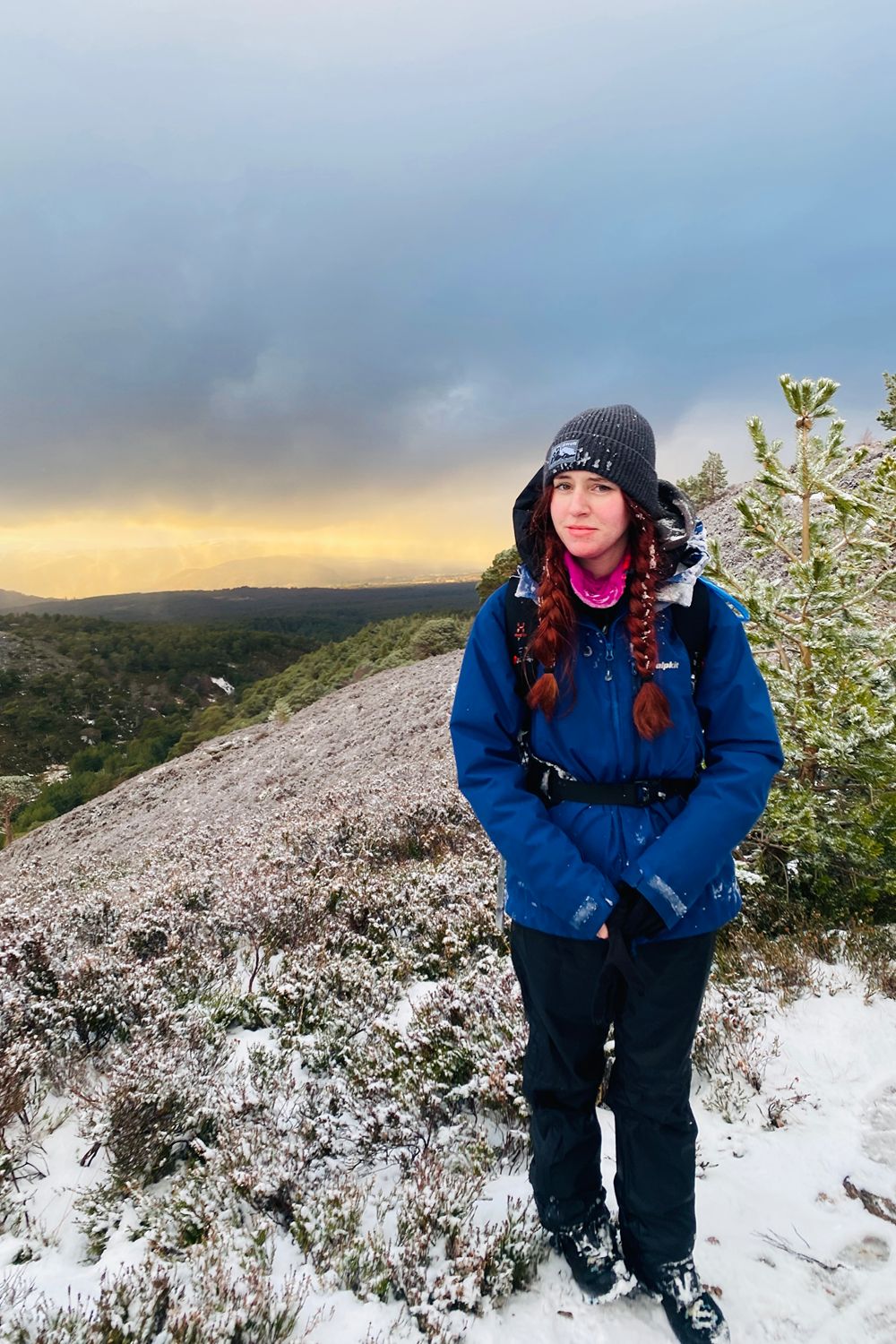
Underneath, wear the same as a winter hike: a merino or synthetic base layer (plus thermal leggings), a fleece or soft shell, and a proper mountain waterproof with a good hood. See our winter hike guide for more.
Hands
You’ll have your hands in the snow a lot: digging, sliding, stopping yourself with an ice axe. Your gloves will get wet. Bring at least three pairs: thin gloves for when you’re working, warm waterproof gloves, and a pair of thick mitts for the stops. Keep spares in a dry bag inside your pack so they stay dry until you need them.
Legs and feet
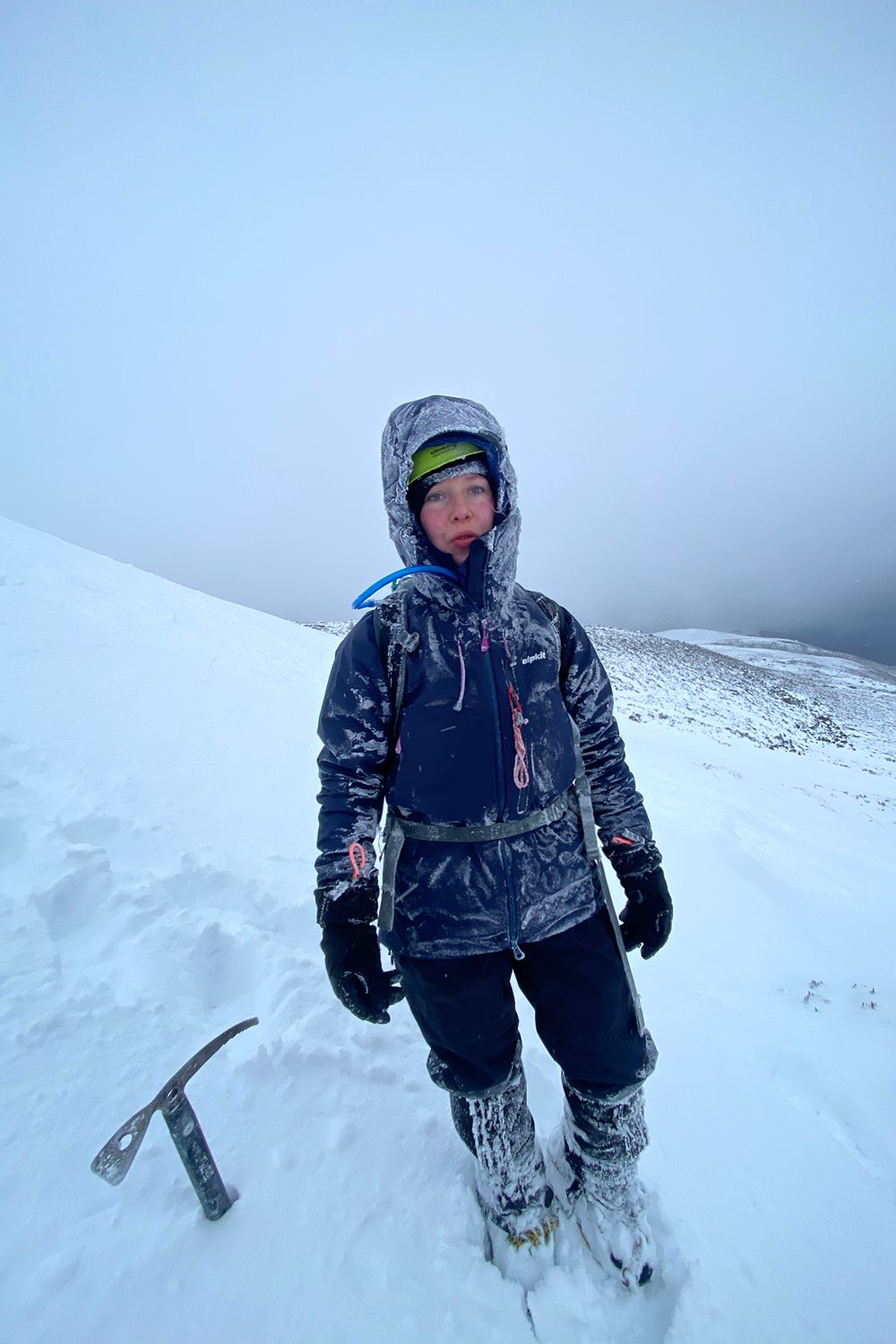
You’ll be sliding down slopes on purpose, so tough waterproof overtrousers are a must. Thin, lightweight ones can tear, and crampon points can rip them, so go for something durable. Wear soft shell or winter trousers underneath, with thermal leggings on cold days, and gaiters to keep snow out.
You’ll need warm, waterproof boots stiff enough to take crampons. Not sure if yours are? Ask us when you book. Ask us about ice axes and crampons too.
Staying warm between sessions
- Put your big jacket on as soon as we stop
- Bring a flask of hot drink and snacks you can eat with gloves on
- A small foam sit mat stops the snow drawing the heat out of you
- Keep moving: stamp your feet, swing your arms, wiggle your toes
- Tell your instructor if you’re getting cold. We’d much rather know early
Snow reflects a lot of sunlight. Even on a grey day, pack sunglasses and sun cream.
Your kit list
To wear
- Merino or synthetic base layer and thermal leggings
- Fleece or soft shell
- Soft shell or winter trousers
- Thick walking socks
- Warm waterproof boots that take crampons
- Warm hat, buff and thin gloves
- Gaiters
In your pack
- Big insulated jacket that fits over everything
- Waterproof jacket and tough waterproof overtrousers
- Warm waterproof gloves and thick mitts
- Spare gloves and hat in a dry bag
- Ski goggles, sunglasses and sun cream
- Flask of hot drink, food and snacks
- Small foam sit mat
- Head torch and spare batteries
More kit guides
Heading out in different conditions? We’ve got you covered.
Winter hike
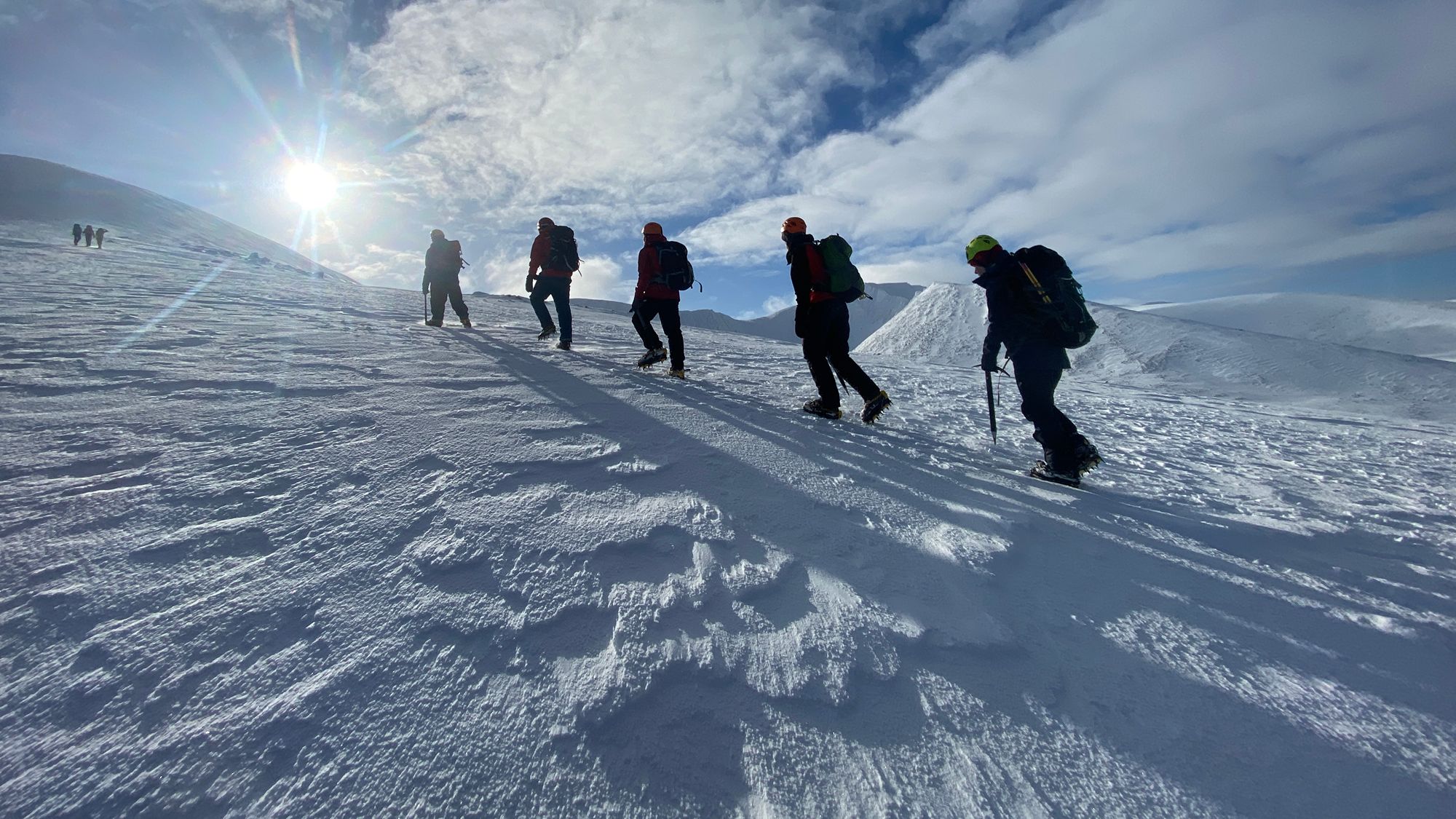
From warm sunshine to a cold, windy white-out. Flexible, fluid layers, plus gloves, hats, goggles and winter boots.
Summer hike
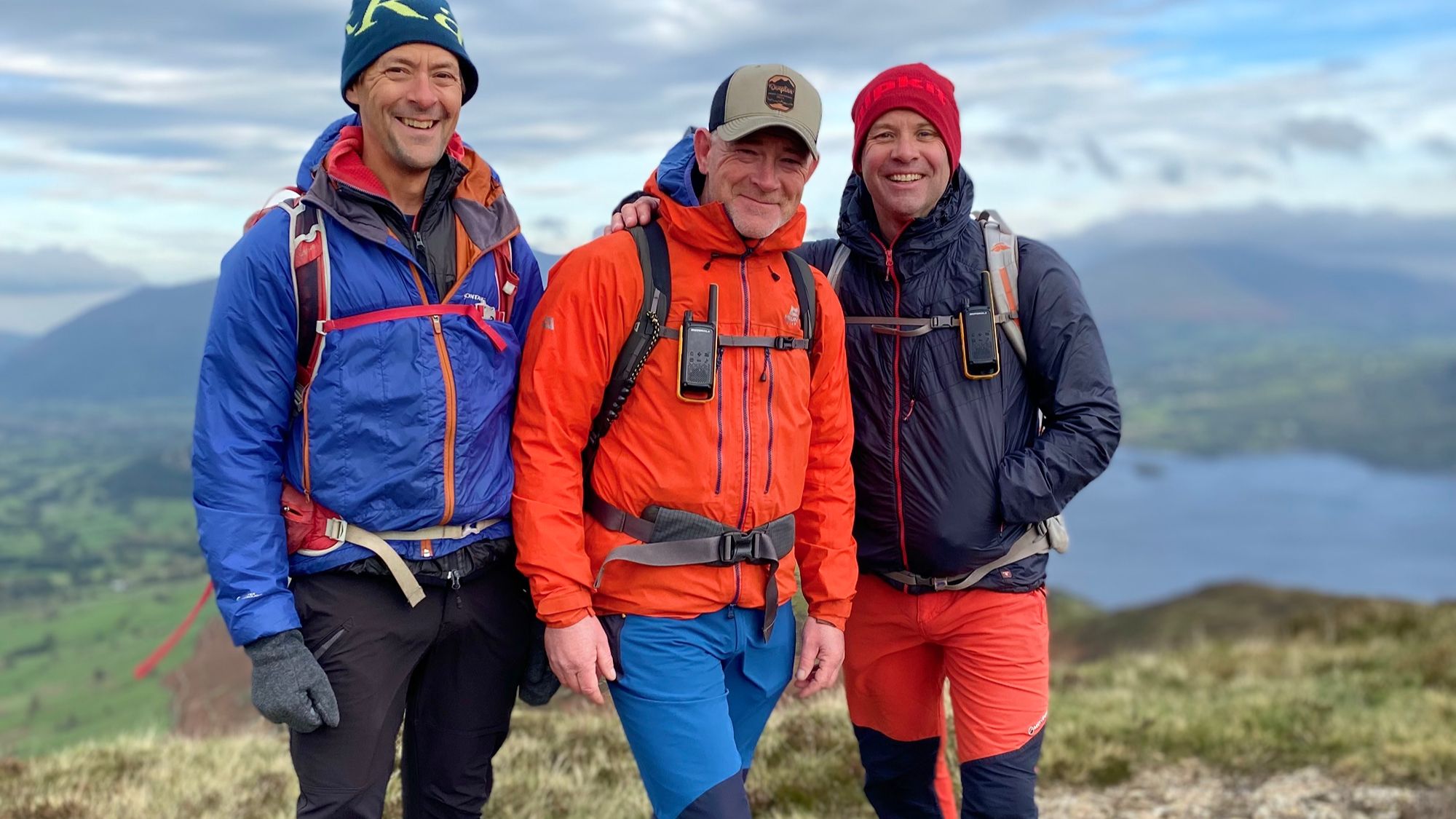
Sun one minute, wind and rain the next. How to layer up, what to wear on your feet, and sun and midge protection.
Any questions?
Take a look at our frequently asked questions or our Get In Gear page, or call us on 07881 467777.